
Built for Urban Life. Not Urban Outfitters. Or Opinions You Didn’t Ask For.
The Vans x OAMC x WTAPS is for people who assume the pavement will make the first move in a street fight.
The Setup

Vans
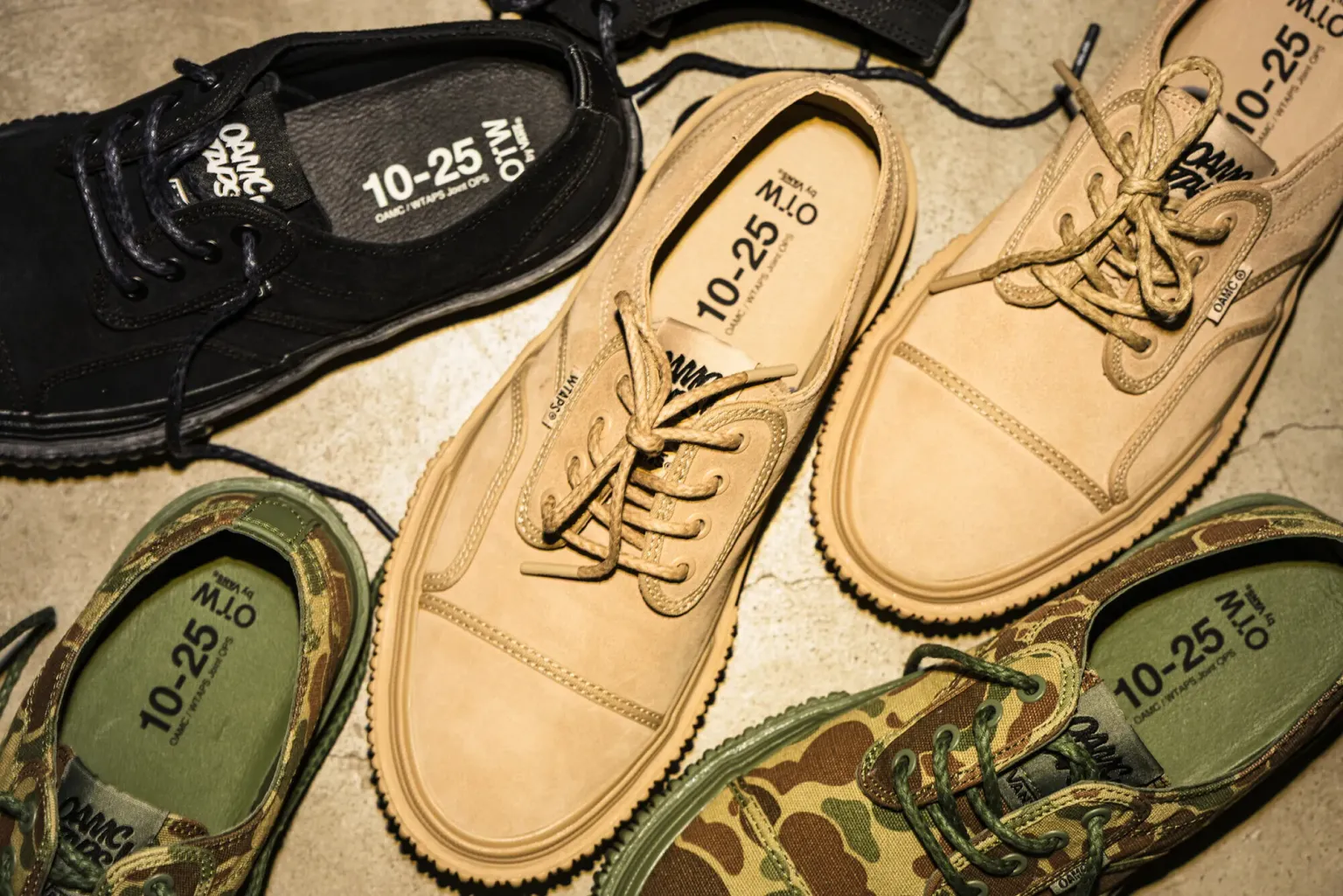
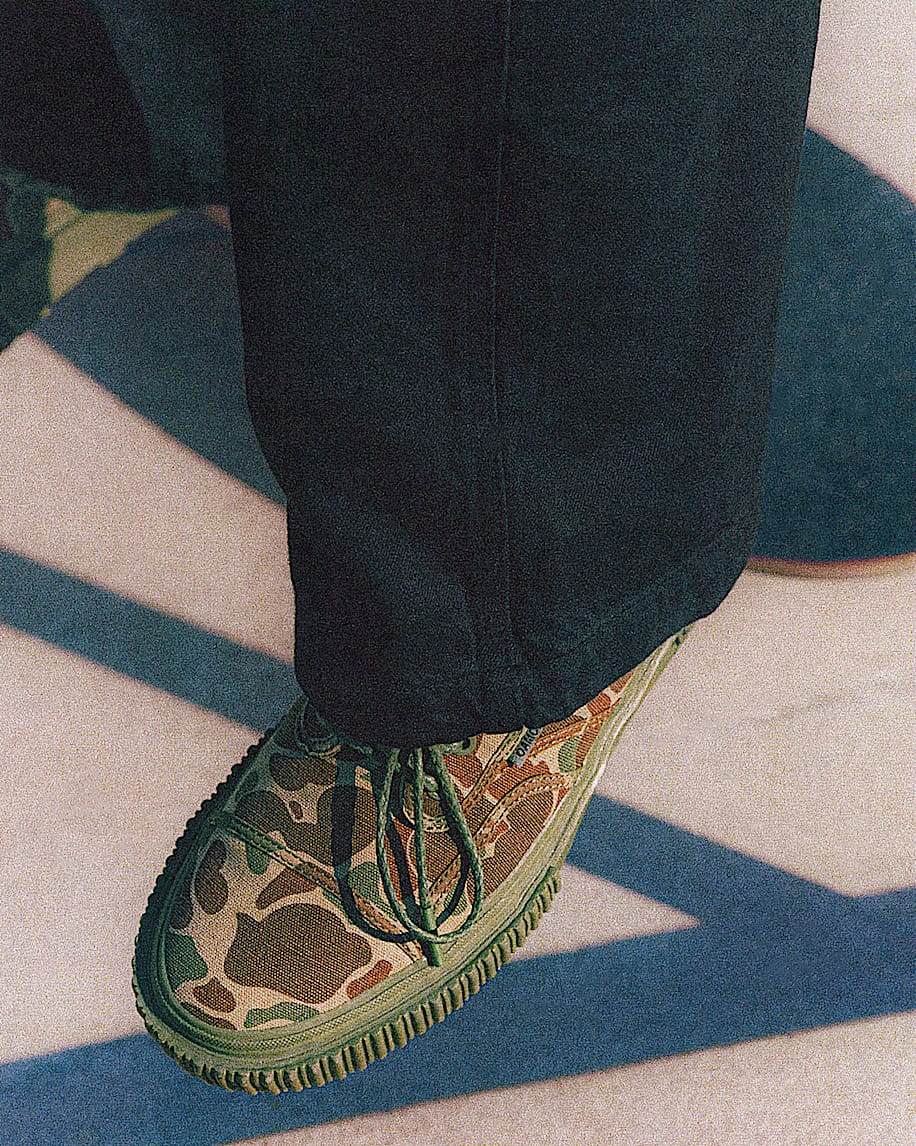
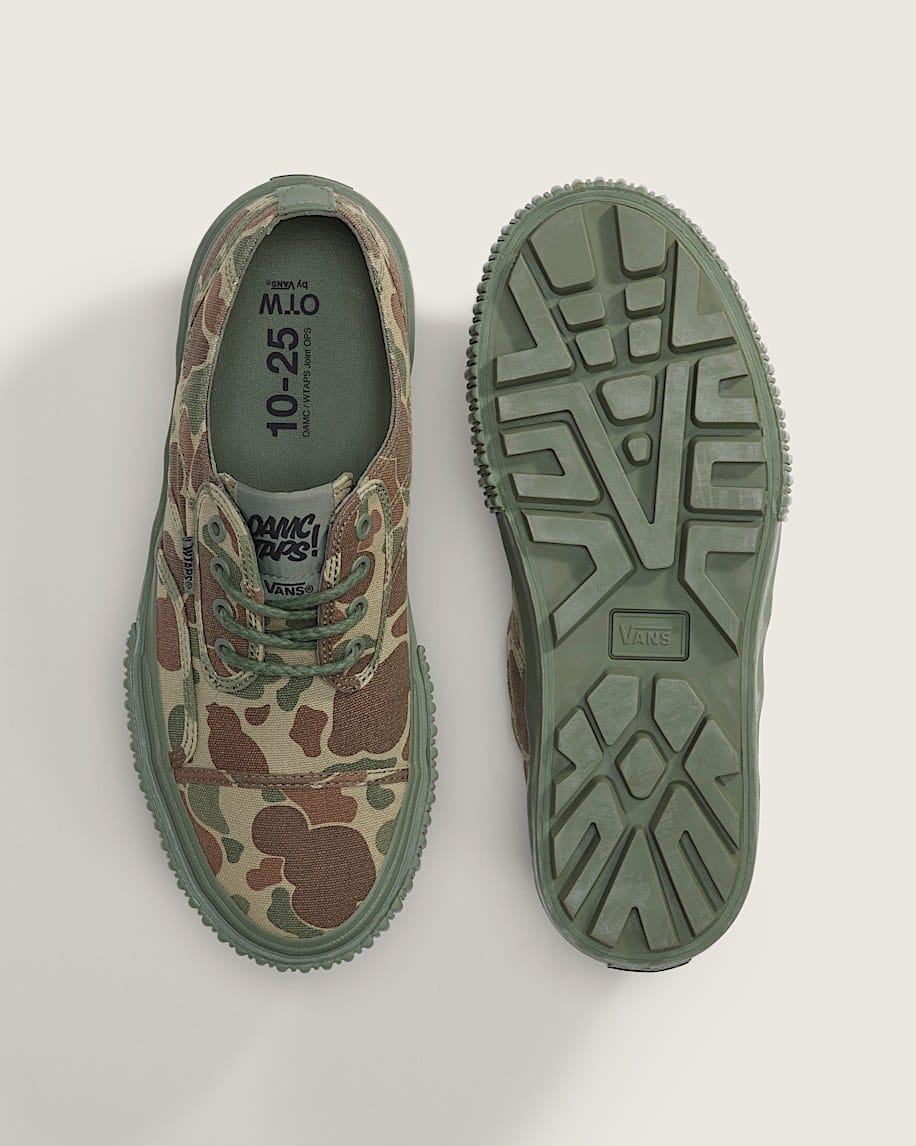
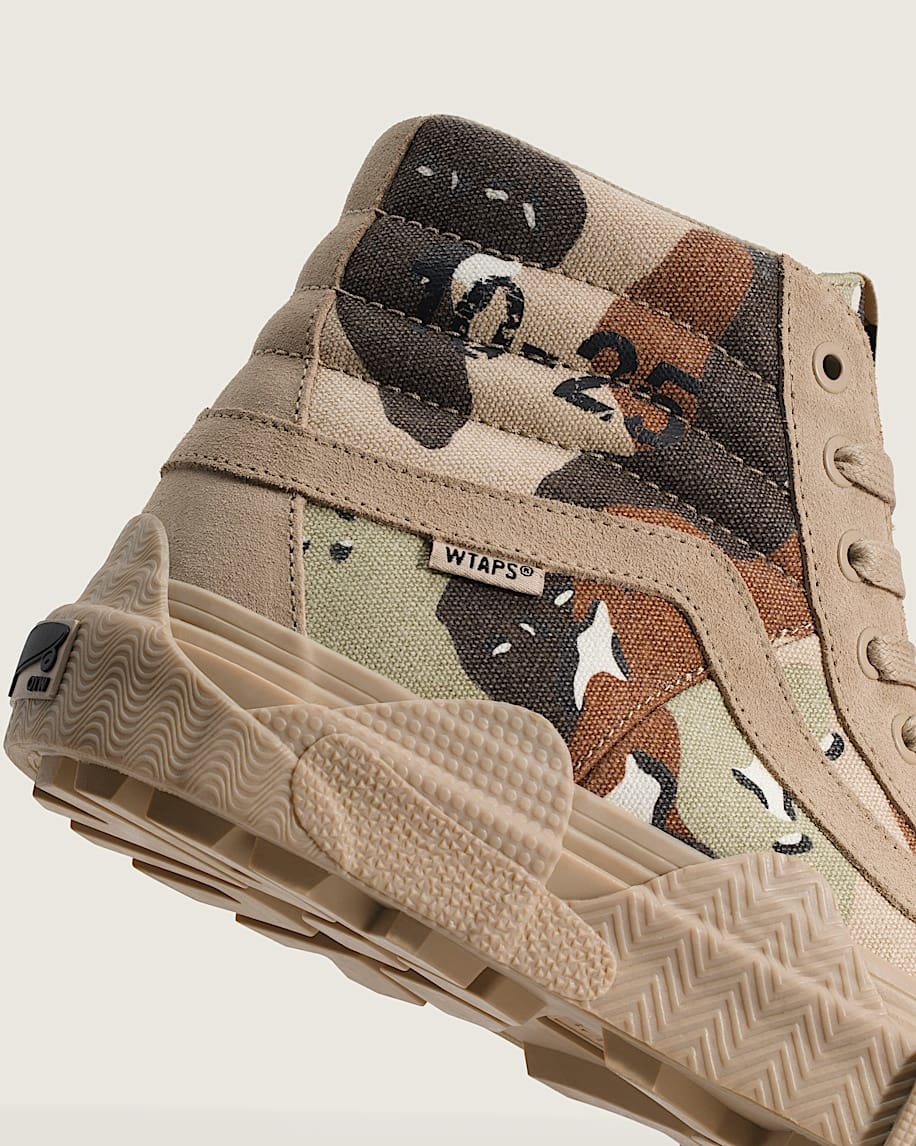
OTW by Vans teamed up with OAMC and WTAPS for a capsule that treats the Sk8 Hi and Seylynn like city-grade equipment. Thick duck canvas, reinforced foxing, rubber overlays, V-lug traction, and monochrome suede turn familiar silhouettes into something built for concrete, not nostalgia. The collaboration blends three perspectives. OAMC brings technical craft, WTAPS brings military precision, and Vans brings the cultural blueprint. The result is a set of shoes that look like streetwear but function like urban tools.
This collaboration is speaking directly to the rise of urban utility, where people want gear that looks sharp but behaves like equipment. The shoes tap into a culture that treats the city as terrain. Commuters, creatives, and night-owls want footwear that can take a beating and still feel intentional. By merging skate heritage with tactical cues and designer discipline, the collection positions Vans as a platform for serious craft while still keeping the attitude that made the brand iconic. It aims to give the buyer something rare in the footwear space: Style that earns its keep.
The Breakdown
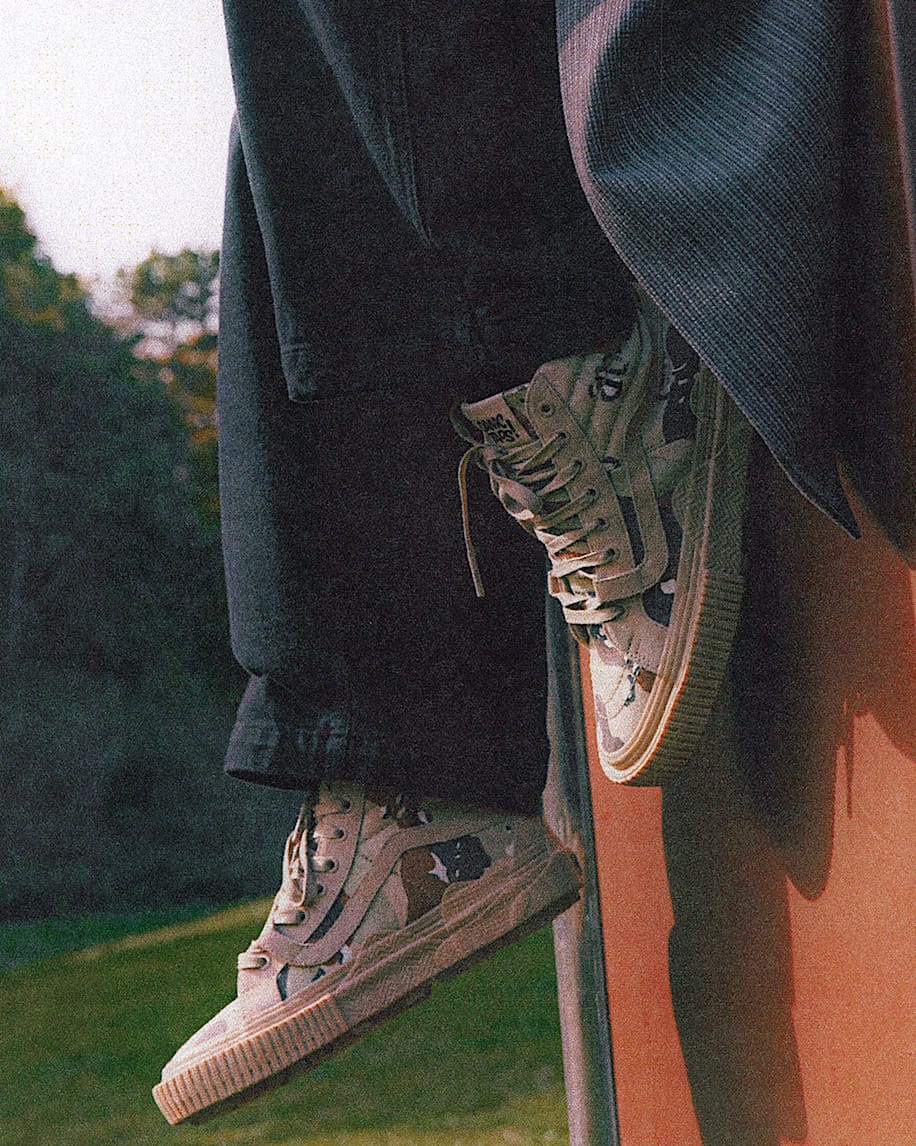
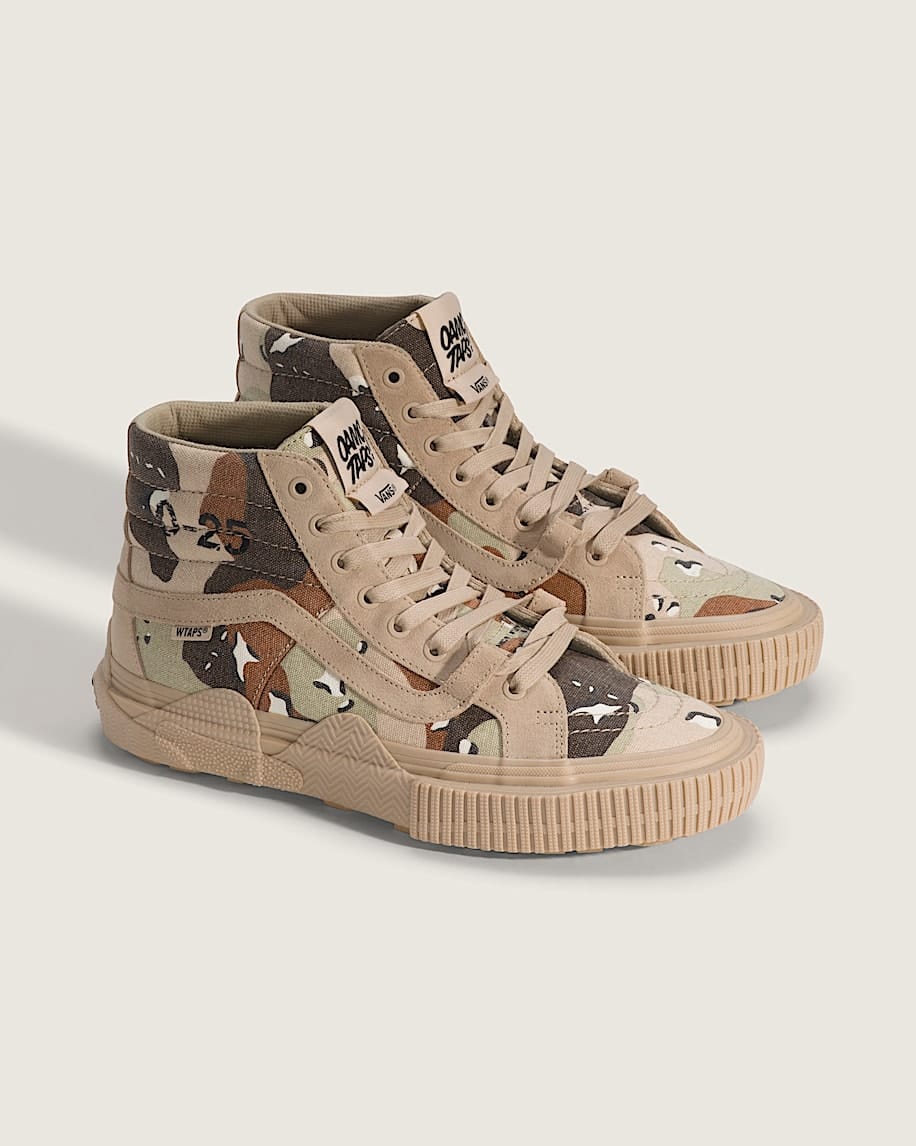
Vans
Brand Positioning and Identity
OTW by Vans positions itself as the experimental wing of the brand, the place where Vans stops being a skate shoe and becomes a design object. Bringing in OAMC and WTAPS signals that this is not lifestyle merch. It is Vans stepping into utility fashion, tactical culture, and high-design sneaker craft.
Target Segment and Audience
People who orbit between streetwear, tactical gear, and contemporary fashion. The crowd that buys Salomons for the city, wears Arc’teryx to dinner, and knows what a WTAPS tag means without Googling it. They want durability, but they want that durability filtered through culture, not camping.
Messaging and Storytelling
The collaboration frames the city as the wilderness. Concrete instead of trails, architecture instead of mountains, speed instead of serenity. Meier and Nishiyama talk about “the filth, the beauty, the obstacles” because they’re positioning the shoe as a tool for surviving and navigating real life, not a fantasy landscape.
Experience and Journey
From materials to outsole, everything signals function you can actually use. Thick duck canvas, reinforced foxing, rubber overlays, and lug traction turn a skate icon into a city survival shoe. The goal is for the buyer to feel like the shoe can handle whatever the day throws at them, from rain to subway grime to terrain shifts.
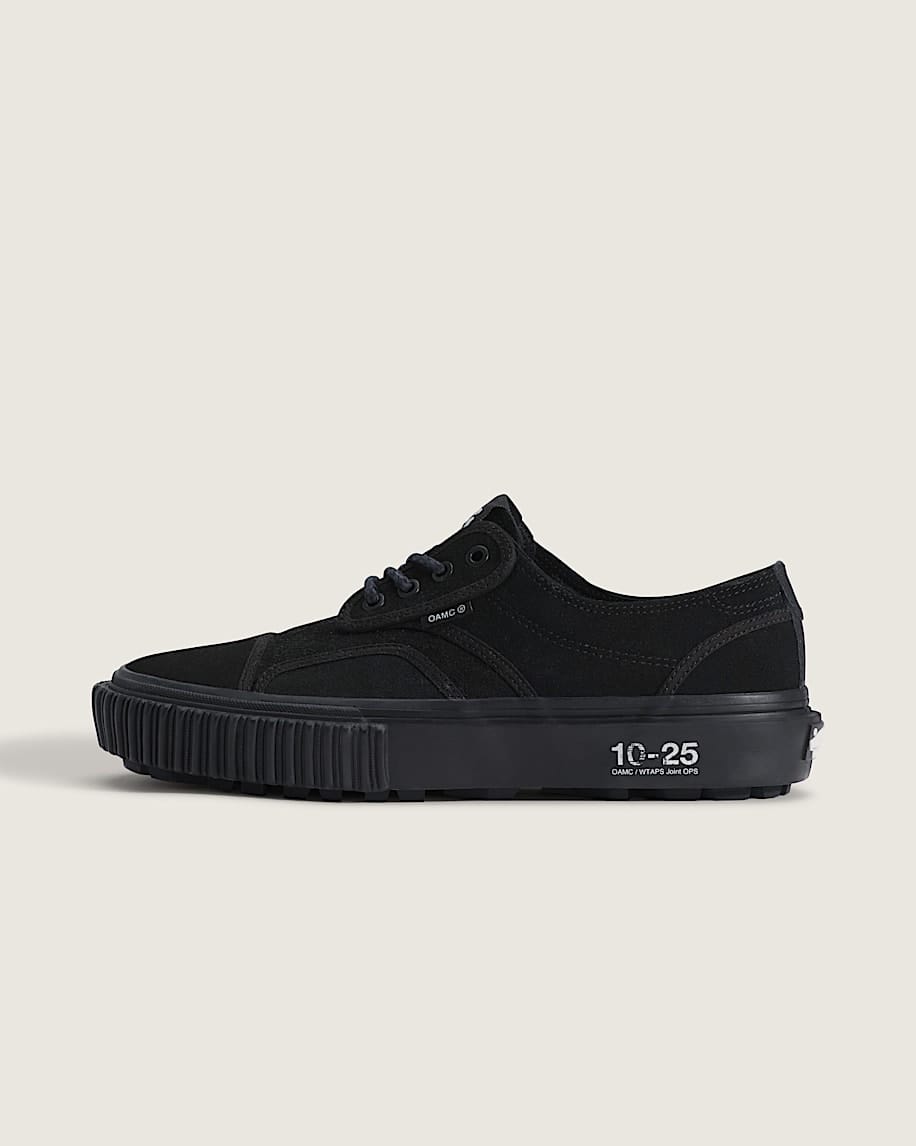
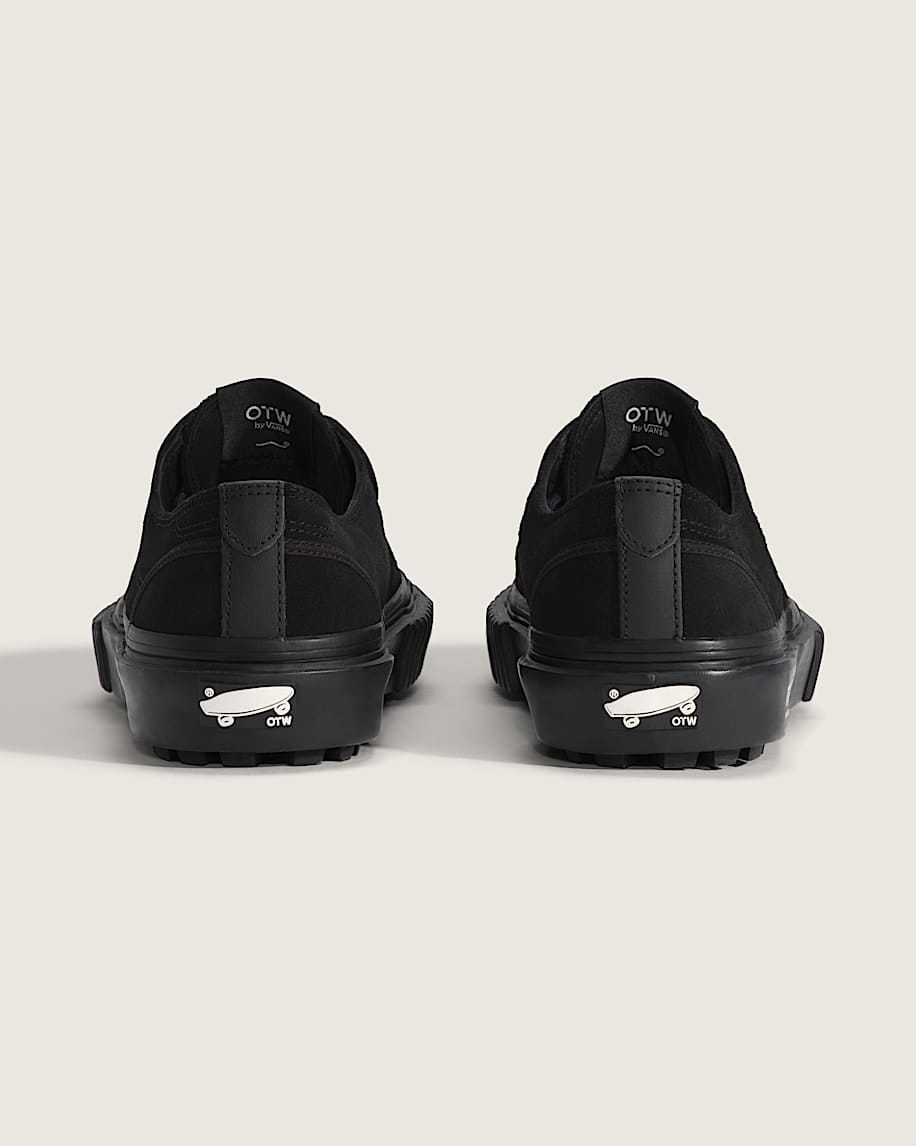

Vans
Community and Culture Insight
There is a growing culture of urban utility focusing on the idea that functional gear belongs in the city, not the woods. People want footwear that looks like fashion but behaves like equipment. This collab speaks directly to the subculture that treats utility as aesthetic, not afterthought.
Differentiation and Unique Selling Point
Every brand is doing “tactical,” but almost none are doing it with this level of cross-cultural credibility. Vans brings heritage. OAMC brings luxury minimalism. WTAPS brings military authenticity. The USP is the triangulation: three design languages blending into footwear that feels both familiar and radically upgraded.
Design Language
Muted palettes, tight stitching, monochrome hardware, creeper bumpers, and the 10-25 tactical stamping all communicate precision and intention. The reimagined Sidestripe functioning as an eyestay is the loudest silent flex in the design. Nothing is ornamental. Everything has a job.
Marketing Pitch
OTW by Vans x OAMC x WTAPS takes the Sk8-Hi and the Seylynn and rebuilds them for people whose environment demands durability, not decoration. This is urban equipment disguised as footwear. Built for concrete, born from culture, and tuned for the kind of city living where style and survival blend into the same instinct.
Is It A Winning Pitch?
Does this shift toward urban utility feel like a true direction for footwear, or is it a momentary style phase?

