Bentley’s New Supersports Is a Gentleman Who Finally Took the Gloves Off
Bentley’s new Supersports model is a departure from its traditional focus on comfort, prioritizing driver experience and performance. The Supersports represents Bentley’s shift towards a purer, more driver-centric brand identity.

The Setup
Bentley
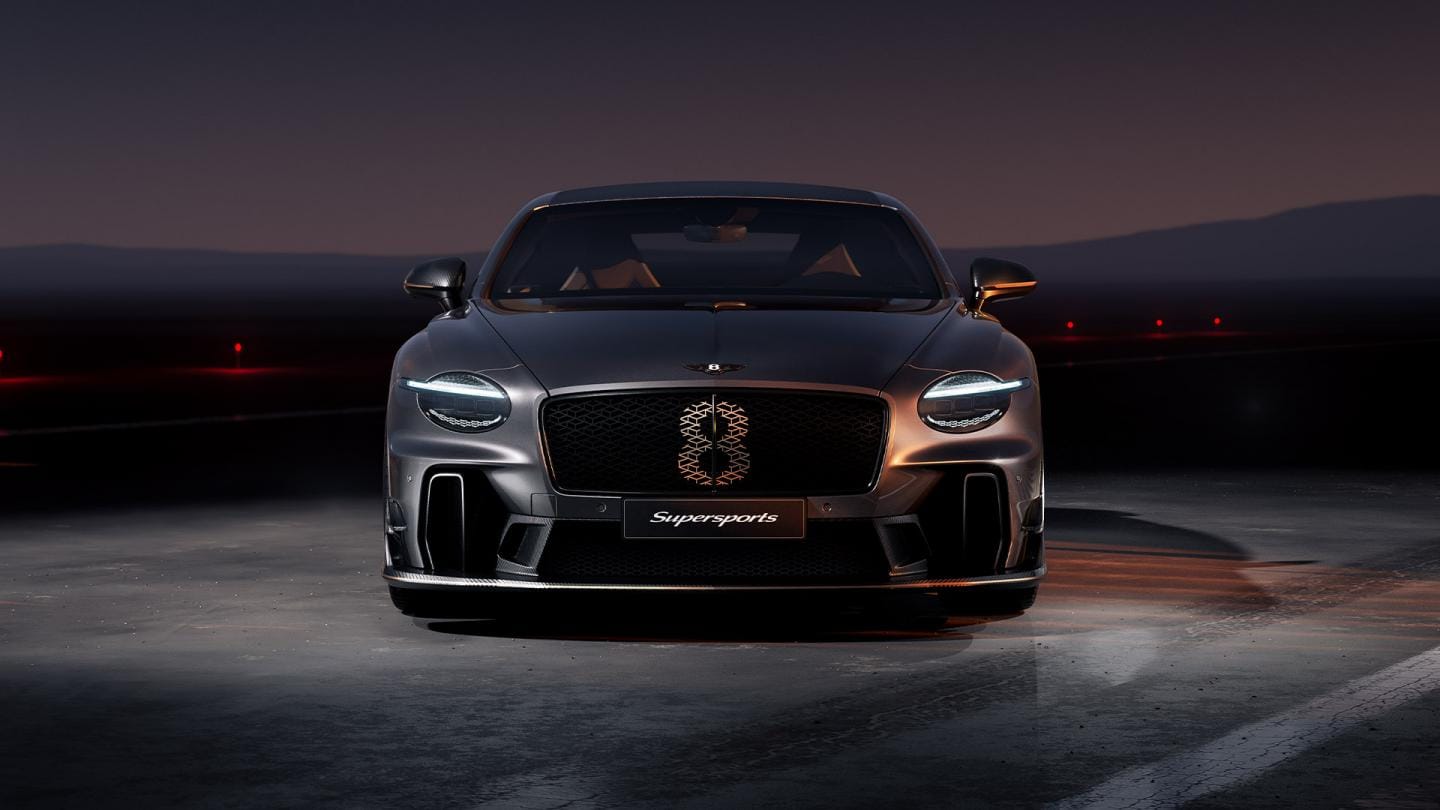
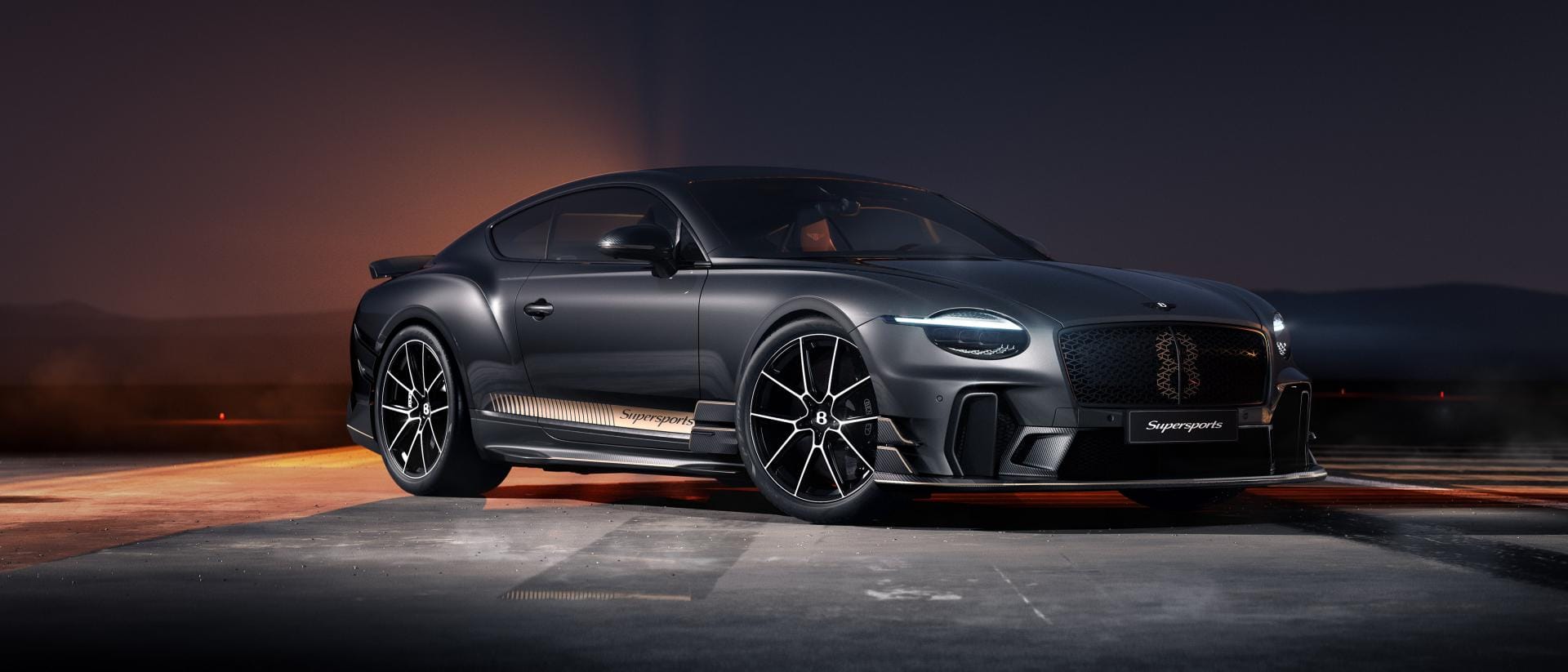
Bentley’s new Supersports strips the Continental to its essentials. Hybrid tech and AWD are gone, replaced by a lighter rear-drive setup and a strengthened 4.0L twin-turbo V8. Nearly 1000 pounds are cut, carbon replaces steel, and only 500 will exist. It’s the closest Bentley has come to building a GT3 for the street.
Bentley uses the Supersports to shift its halo from comfort to control. It signals a brand leaning into purity, driver feel, and credibility with enthusiasts who judge a grand tourer by its edge, not its silence. Prestige here is defined by intention, not indulgence.
The Breakdown
Bentley
Brand Positioning and Identity
Bentley is positioning the Supersports as the brand’s “no manners” alter ego. It keeps the Continental GT’s luxury silhouette but strips it back to a rear-drive, non-hybrid, track-leaning coupe. The identity is clear: this is the car Bentley builds when it cares more about driver obsession than grand-touring comfort.
Target Segment and Audience
The audience is wealthy enthusiasts who already know what a GT Speed or Mulliner is and want something wilder. Think Porsche GT3 and AMG GT Black Series owners who like their cars loud, focused, and slightly ridiculous, but still want a leather-wrapped cockpit and a crest on the hood. These are collectors who buy “the one they will talk about in ten years,” not the sensible spec.
Messaging and Storytelling
The story is simplification as rebellion. Bentley keeps repeating the same moves: non-hybrid V8, rear-drive for the first time, a thousand pounds shaved out, no rear seats. The narrative flips the usual luxury script by celebrating what has been removed as much as what has been added.
Experience and Journey
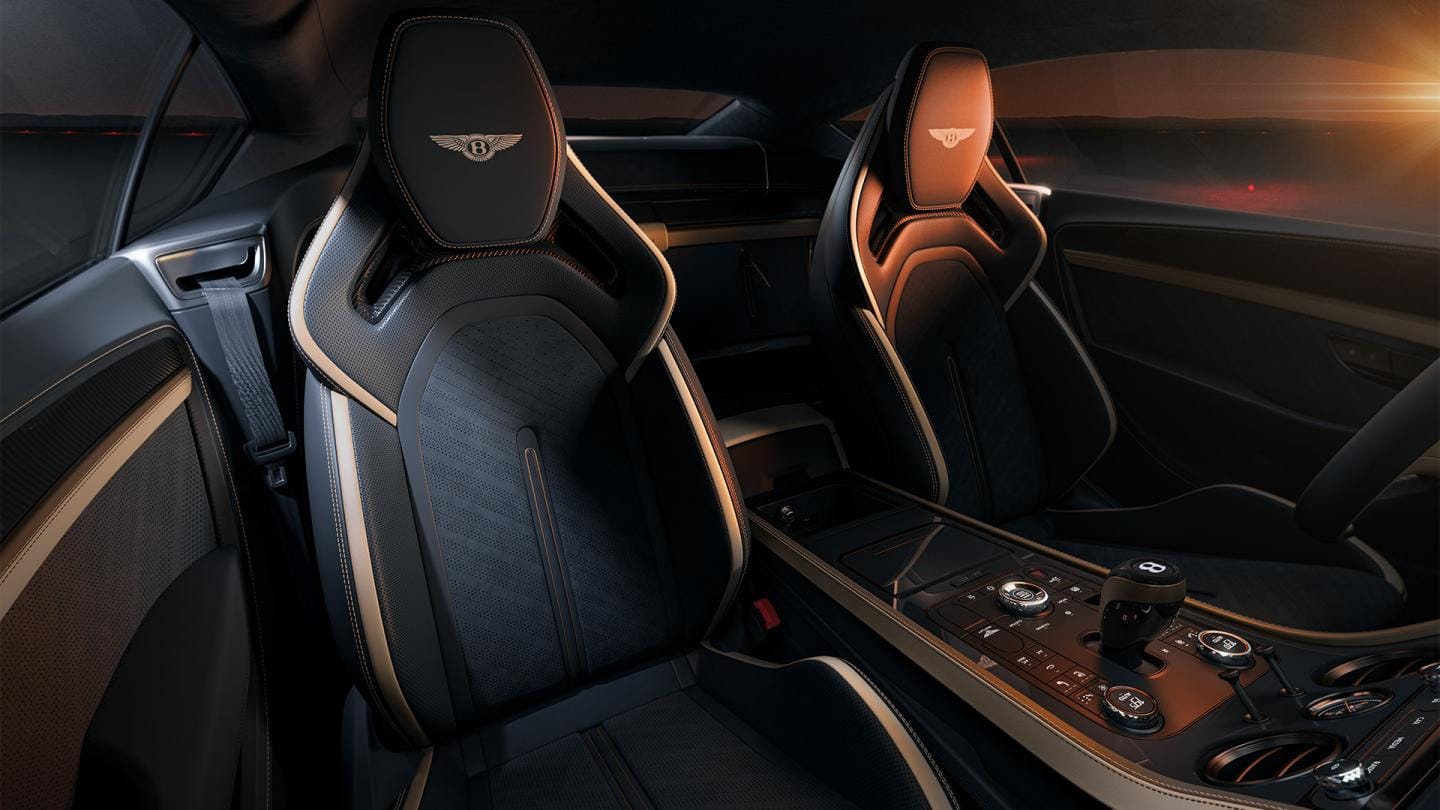
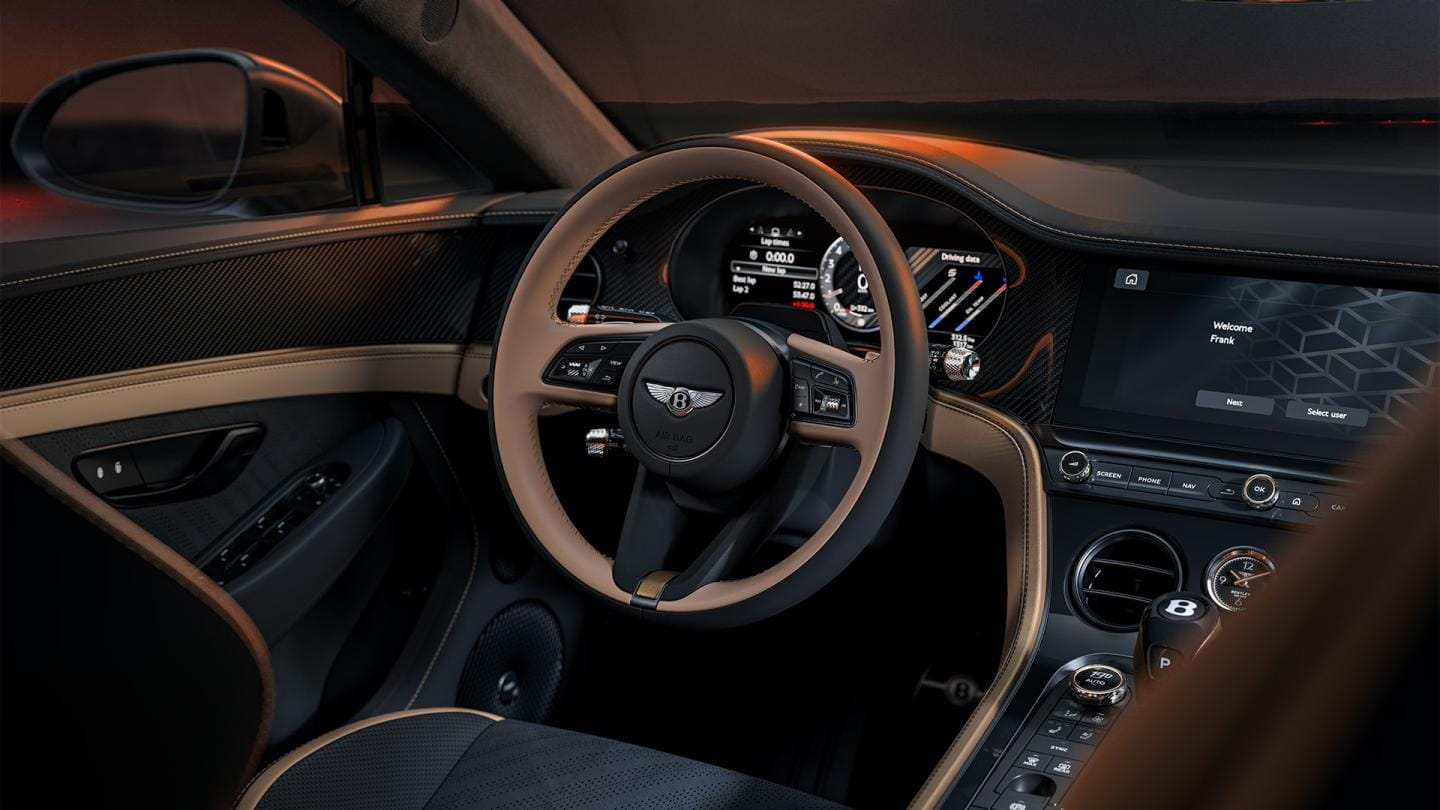
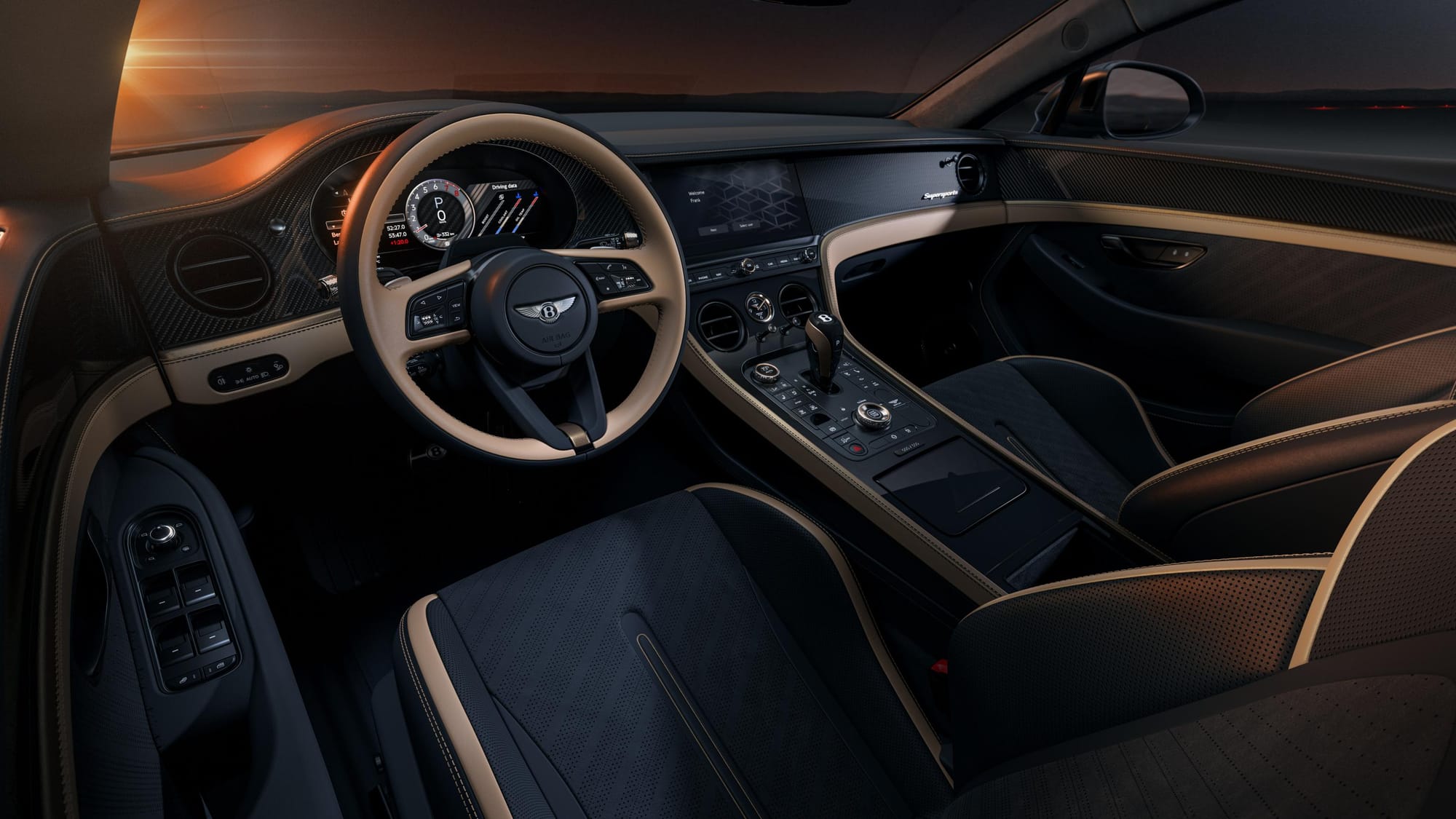
The journey Bentley is selling starts with anticipation, not comfort. You climb into a two-seat cabin, sit lower, see more carbon and fewer buttons, and know this car was built to be driven hard first and admired second. The ownership arc is meant to feel like joining a small club of people who spec a Bentley the way you would spec a track car.

Bentley
Community and Culture Insight
Bentley is reading the same culture shift that made “GT3” the ultimate flex in sports cars. Among performance-minded buyers, purity and weight loss signal taste more than horsepower figures. The Supersports taps into that mindset for people who grew up with Porsches and McLarens, but now have Bentley money.
Differentiation and Unique Selling Point
The Supersports differentiates by being the first Continental that openly prioritizes driver feel over outright luxury. Rear-drive, huge carbon brakes, Trofeo-grade tires, less sound insulation, and a titanium exhaust turn it into a car you choose for the way it behaves, not the way it wafts. The unique angle is simple: the most focused, lightest Bentley of the modern era, built in tiny numbers.
Design Language
The exterior design talks like the spec sheet. Fixed rear wing, deeper splitter, dive planes, bigger blades around the arches, and that carbon roof all read more “track tool” than “country club.” The graphics are cleaner than a tuner special but angrier than a normal GT, which signals that this is a halo car for people who speak aero and tire compound.
Marketing Pitch
Bentley is selling the Supersports as the car you buy when a GT Speed feels polite. It is a two-seat, rear-drive, thousand-pounds-lighter Continental that treats luxury as a starting point and driver obsession as the goal. The marketing pitch in one line: A grand tourer for the people who finally ran out of patience for grand touring.
Is It A Winning Pitch?
If a Bentley finally drives like a track car, does that change what you expect from a luxury brand?